Top 7 Cyber Threats Every Business Must Watch Out for in 2025
Cybersecurity now plays a central role in running a business, not just an IT department’s responsibility, but it’s a core business responsibility. As companies grow their online presence, the dangers they encounter grow too. In 2025, cyber risks will become even more challenging, evolving faster and becoming more advanced. These risks can lead to severe outcomes—companies face losing valuable data, suffering financial harm, damaging their reputation, and breaking laws.
Businesses must recognize the dangers ahead and prepare to handle the seven cyber threats that will emerge in 2025. Proactivity is key in staying ahead of these evolving risks.
 1. AI-Driven Phishing Schemes
Phishing tactics have changed over time. In 2025, cybercriminals will rely on artificial intelligence to create phishing emails, messages, and even voice calls that feel very tailored and believable. These scams often look just like genuine business messages. AI tools scan public information, study writing patterns, and send emails that seem like they originated from coworkers or trusted partners. Falling victim to these scams might lead to stolen credentials, unauthorized system access, or even financial theft.
 2. Ransomware-as-a-Service (RaaS)
Ransomware now operates as a profitable scheme for cybercriminals. Through Ransomware-as-a-Service, even less-skilled attackers can rent tools to carry out complex attacks. After breaching a system, ransomware locks essential data with encryption and demands payment using cryptocurrency. Sometimes, hackers also promise to leak private files even if they receive the ransom. These attacks can disrupt business activities to the point that recovery takes several days or weeks.
 3. Insider Threats
Not every threat comes from outside a company. Upset employees, inattentive workers, or partners with too much authority can create big risks. Insider threats are harder to deal with because they can often get around normal security measures. So, companies should plan to spend more on tools like behavior tracking, access controls, and zero-trust systems to fight these problems.
4. Supply Chain Attacks
Weak spots can sneak in through third-party vendors without anyone noticing. Supply chain attacks happen when hackers go after less-secure partners or providers to break into bigger companies through them. These attacks are tricky to spot and often come to light after serious harm is done. Companies need to check their vendors and pay attention to all outside connections.
5. Cloud Misconfigurations
As companies shift more operations to the cloud, setting up servers, access settings, or storage systems poses serious safety problems. These kinds of mistakes might make private data available online. Attackers in 2025 look for openings like this. To secure cloud setups, businesses need to monitor systems, enforce solid cloud policies, and team up with knowledgeable providers.
 6. Deepfake and Synthetic Identity Fraud
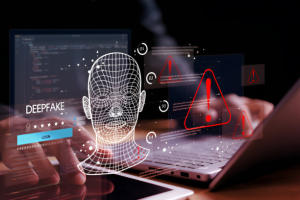
Deepfakes have moved beyond being an interesting gimmick. Companies now deal with threats from synthetic media, which includes AI-made images, audio, or videos pretending to be executives, public figures, or government leaders. Scammers use fake video calls or voice messages to trick employees into sending money or giving away important details. In a related way, synthetic identity fraud mixes actual and fake data to create fake accounts or carry out illegal transactions.
7. Targeting Internet of Things (IoT) Devices
Smart gadgets are found everywhere, from security systems in offices and printers to wearable tech and smart light setups. Hackers might use any of these devices as an entryway. Experts predict a big increase in attacks on IoT devices by 2025 because many of them lack proper built-in security features. One hacked device could let attackers take over a whole network.
Ways for Businesses in Dubai to Act
Businesses in Dubai and the UAE need to go beyond reacting to these threats. They should focus on a comprehensive cybersecurity strategy, including risk reviews, employee training, and the implementation of a zero-trust security method, to ensure they are fully protected.
At IT Consulting Dubai, we provide cybersecurity solutions designed to meet the specific regulatory and business needs of the region. Our team helps clients establish a secure framework through services like penetration testing, threat detection, managed firewalls, and data protection.

Final Thoughts
As the digital world continues to grow, cyber threats are becoming more advanced. Recognizing these dangers is the first step. By taking proactive steps to address them, businesses can empower themselves to navigate the evolving cybersecurity landscape of 2025.
Don’t wait until a security breach happens to reconsider your defenses. Work with experts who know the risks involved. Check out our complete Cybersecurity Services, which include comprehensive risk assessments, employee training programs, and the implementation of advanced security measures, and start moving toward a safer tomorrow.