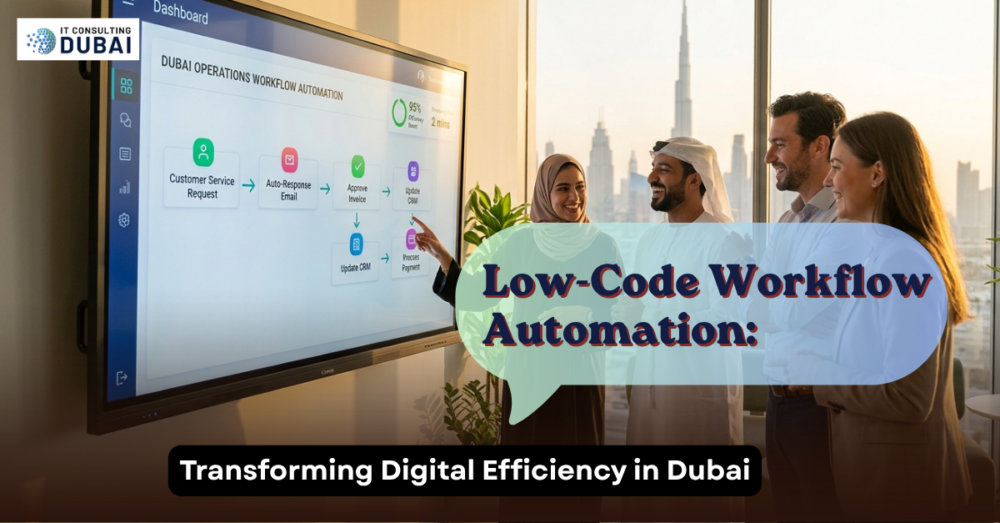
Low-Code Workflow Automation: Transforming Digital Efficiency in Dubai
Among rapidly shifting digital markets, companies based in Dubai face ongoing challenges linked to streamlining operations, lowering expenses, because of service speed expectations. Low-code automation Dubai Conventional methods of building software frequently fall short when confronted with extended timelines alongside steep learning curves. Here emerges a shift – driven by low-code systems that simplify how tasks flow across departments.
With minimal coding, companies create automated processes through graphical tools. In Dubai, consultants guide enterprises toward updated systems by applying such methods. Automation unfolds smoothly when complex tasks shift into simple designs. Through these means, efficiency grows without deep software expertise. Change spreads faster where technology adapts to people, not the reverse.
Low Code Workflow Automation Explained Simply
With minimal coding, workflow automation relies on visual interfaces where steps are arranged by moving elements into place. Through prebuilt modules, actions link together so information moves steadily between software tools. Some approaches favor structured layouts; others allow freeform designs for connecting digital operations.

People who write code often work alongside those who do not, each building sequences in ways that suit their skills. Where code begins, structure follows – automation forms via instruction sequences alongside visual workflows and defined conditions. Logical frameworks grow beyond scripting alone, shaped by blueprints that guide decisions stepwise across systems.
This means firms can manage functions like authorizations, intake procedures, data summaries, or client monitoring via automated methods instead of building platforms from the ground up.
Among firms offering IT advice in Dubai, usefulness stands clear when simpler coding methods enter play – speed in launching systems rises without losing room to grow or shift direction later. What matters grows quietly where effort meets design that adapts overnight.
Low Code Importance for Dubai Businesses
Emerging quietly at first, Dubai now stands central in worldwide advances tied to urban technology and digital progress. With shifts unfolding slowly, firms in sectors like property, banking, shipping, or stores rely more on automated systems – driven by necessity rather than choice. Stillness before change gave way to steady motion toward efficiency.
Low-code workflow automation supports this transformation in several key ways:
- Faster Digital Transformation
Speed stands out among the benefits tied to low-code tools. Where conventional development demands many months – spanning design, testing, deployment – the process shrinks sharply here. With these platforms, usable workflows emerge within days, sometimes just a few weeks, reshaping how fast results arrive.
For businesses in Dubai, rapid response matters greatly due to a highly active marketplace. Shifting needs arise often; performance hinges on timely adjustments. Where conditions evolve fast, staying aligned means moving without delay. Firms remain aware of pressure brought by customer shifts – slowness brings consequence. In such settings, timing becomes part of strategy whether intended or not.
- Less Reliance on Complicated Coding
With low-code automation, big teams of developers become less necessary. Visual tools allow collaboration between those who build software and those who understand business needs – without relying on lengthy coding tasks. A different approach replaces traditional methods, where complex scripts once dominated every project phase.
This enables IT Consulting firms in Dubai to streamline solution delivery, allowing technical staff to shift attention toward complex integrations, security frameworks, or structural design. However, efficiency improves when routine tasks are minimized. Meanwhile, team capacity expands without increasing workload. Still, priorities adjust naturally under such conditions. Ultimately, outcomes align more closely with strategic goals.
- Cost Efficiency and Resource Optimization
Costs rise when creating tailored software entirely from the beginning. With fewer lines of code required, low-code systems lower expenses over time because they support repeated use of existing pieces instead of building each part anew.
When companies partner with IT Consulting Dubai, outcomes often include improved returns alongside reduced expenses for digital systems. A shift toward efficiency typically follows such collaborations.
- Improved Business Agility
Today’s marketplace demands swift movement. With low-code tools, companies adjust procedures swiftly because changes need no extended coding periods. Testing fresh methods happens faster since implementation skips traditional build phases. Improvements go live promptly when development timelines shrink unexpectedly.
When approval workflows shift, implementation stays swift without halting operations. Integration of updated CRM platforms proceeds smoothly under revised conditions. Speed remains high even when structural adjustments occur. Minimal interference follows each modification introduced. Rapid deployment supports continuous function during transitions.
Low Code Workflow Automation Uses
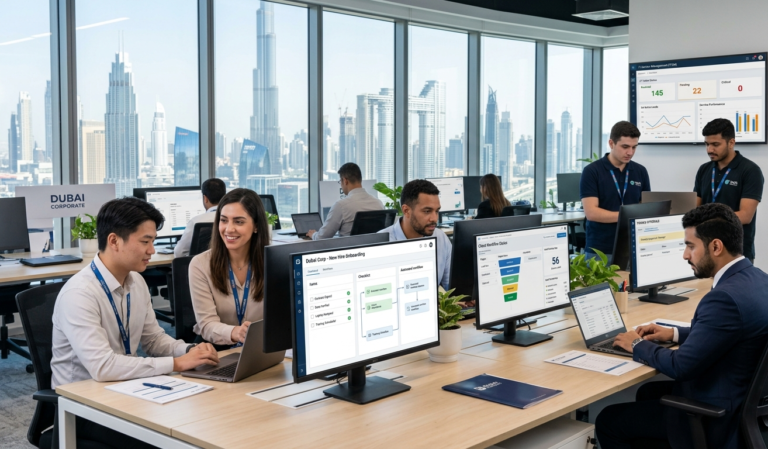
Far beyond basic functions, low-code tools operate at scale within Dubai’s corporate landscape. While often underestimated, these platforms support complex workflows in major organizations across the region.
- Employee Onboarding and HR Processes
Companies see smoother processes when tasks like hiring workflows are handled automatically. Document checks become faster once verification shifts away from paper trails.
Training steps follow a clearer path when assigned by system logic instead of human reminders. Because digital checklists match job roles, onboarding grows consistent. When standard duties require less oversight, results rise steadily. Starting with clear frameworks yet allowing flexibility lets new hires adjust sooner.
- Customer Relationship Management
When low-code tools reduce complexity, lead collection proceeds uninterrupted. Though simplicity drives efficiency, outcomes emerge steadily over time. Where workflows become smoother, results follow without interruption.
As systems require fewer steps, information flows more directly. If barriers decrease, progress continues by default. Prompt answers follow, thanks to structured workflows. Tracking cases improves clarity over time. Support requests move forward with less friction. Faster outcomes emerge as a result. User interactions grow more efficient by design.
- Financial Approvals and Reporting
When automation is used, steps for approving purchases, costs, and bills become clearer while aligning with rules. Processes adjust naturally under structured oversight, ensuring consistency across reviews.
Clarity emerges not just through speed but by reducing gaps in documentation. Compliance follows as a result of uniform handling rather than constant monitoring. Each stage reflects updated status without delays introduced manually. Because insights are available instantly, choices within teams become more informed over time.
- IT Service Management
Occasionally, technology advisors across Dubai adopt minimal coding tools to handle service tickets, log disruptions, track performance. Efficiency during responses increases when systems stay active longer between failures.
How IT Consulting Dubai help with using low-code tools
Though built for easier building, even low-code tools demand careful setup alongside skilled oversight. In such cases, guidance from technology advisors in Dubai becomes essential.
Consultants help organizations:
- • Identify processes suitable for automation
- • Design scalable workflow architectures
- • Integrate low code platforms with existing systems
- • Ensure data security and compliance
- • Optimize performance and user experience
When business goals align with technical execution, IT Consulting Dubai help shape low-code tools into meaningful outcomes instead of mere digital replication. While some focus on speed, others emphasize purpose – bridging function with long-term impact through careful design choices.
Where automation meets intent, systems begin supporting actual workflows rather than isolated tasks. With careful organization, such companies help businesses move past shallow changes into more fundamental adjustments. When demands shift, the uses adapt – guided by understanding instead of imitation.
Low Code Automation Trends in Dubai
Future prospects for low-code automation in Dubai appear strong. With businesses moving toward digital change, need rises steadily – not through speed alone but intelligence and adaptability shaping what comes next. Growth follows where efficiency finds new paths.
Low-code tools are shifting under the pressure of new directions in technology. Driven by machine learning, these systems now adjust without constant guidance. Where once rigid steps were required, flexibility appears through pattern anticipation. Instead of fixed rules, responses form based on how people interact and what inputs arrive. Gradually, operations become less manual because decisions emerge from context. With time, setups evolve using insights drawn from activity flows.
This shift opens a significant opening for IT consulting Dubai – steering enterprise change through integration of low-code tools alongside artificial intelligence, cloud systems, and analytics-based planning. Though often overlooked, timing plays a role here; alignment with emerging patterns shapes outcomes more than intent alone.
Low-Code Development in Dubai: Building Faster, Smarter Business Systems
Business operations in Dubai are shifting due to simpler software tools. Development now moves quicker because of reduced complexity. Cost levels decline when systems require fewer resources. Flexibility rises where teams adapt without rigid coding demands. Innovation becomes reachable even under tight timelines. Traditional barriers fade as new methods take shape, supporting broader digital transformation UAE initiatives.
Low-code tools offer firms in Dubai who partner with IT Consulting Dubai a way to create flexible, high-performing digital infrastructure. With rising usage across industries, one fact stands out: this approach shapes how business automation will evolve ahead.