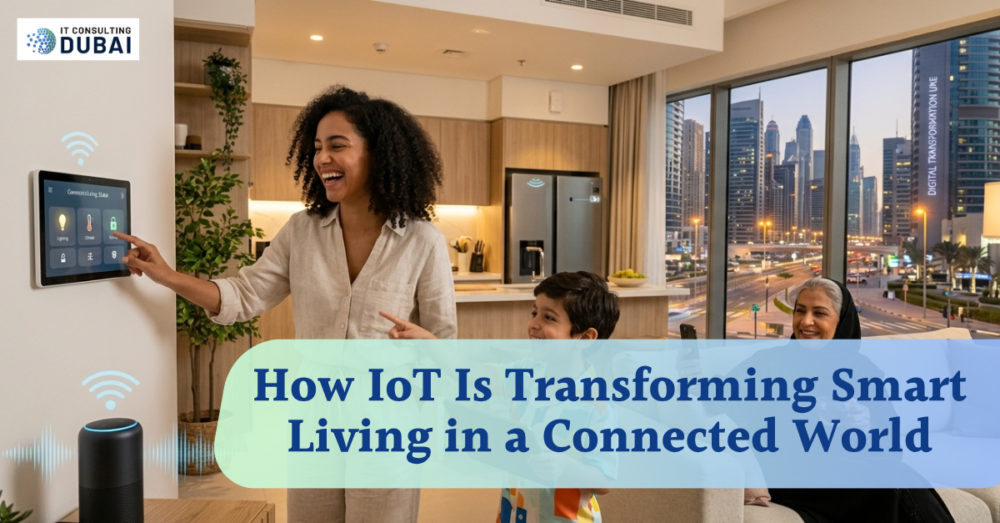
How IoT Is Transforming Smart Living in a Connected World
Everyday routines shift as new tools emerge into common use. Devices at home change brightness without human input, simply by sensing conditions. Work environments track machine status moment by moment through embedded sensors. Urban areas manage vehicle movement more smoothly thanks to linked networks. This evolution finds its core in what some call IoT – interconnected devices exchanging data silently. Systems once imagined only in distant futures now operate quietly in present reality.
Now within reach, IoT serves those aiming to modernize operations – no longer distant theory. Efficiency gains emerge where sensors monitor activity, while clearer insights follow from continuous data streams. Wherever networks of devices spread through buildings or cities, need rises just as steadily for steady planning and skillful setup. What matters appears through daily use, rather than forecasts of future potential. Real worth emerges only when put to work over time through Digital Transformation UAE initiatives.
Understanding the Internet of Things
Devices that connect make up a system often called the Internet of Things, linking ordinary things through digital pathways. While physical tools join together, they exchange data across web-based channels. As household products interact, communication happens without human input. Where once separate, these items now operate within shared virtual spaces. Through networked signals, routine objects gain new functions over time.
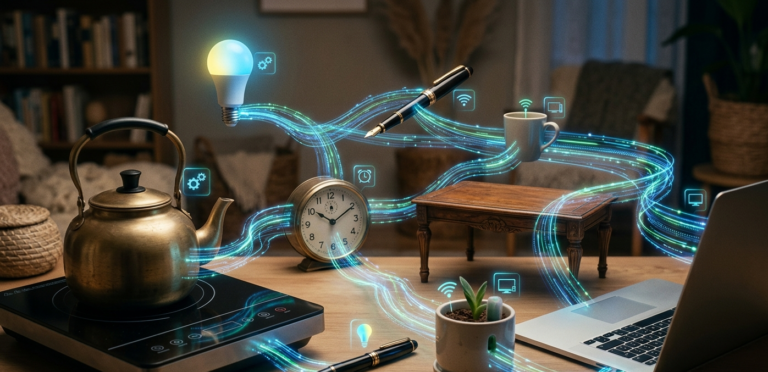
Information flows between them without human involvement, often using embedded sensors. Devices such as household tools or health monitors take part in this system. Machines used in factories also join these connections. Data moves across them, enabling responses based on gathered details. Interaction happens continuously among wearables, cars, and similar smart units.
With progress in cloud systems, alongside smarter edge devices, the reach of IoT expands steadily through various industries. Where once limitations blocked growth, now speedier connections allow broader deployment. Because data flows faster and computation grows stronger, integration into daily operations feels less complex. Though challenges remain, recent shifts in infrastructure support wider use. What was theoretical a decade ago operates routinely today.
Smart Homes Now Part of Daily Life
Home automation stands as a clear example of IoT in daily life. Through networked gadgets, residents adjust lights, climate settings, locks, household machines, or media tools using unified software – sometimes guided by spoken words. Devices respond without needing manual input each time; coordination happens across systems when signals pass between them. Control shifts from physical switches to digital interfaces that link components invisibly yet reliably.
Modern smart homes offer several advantages:
- • Automated energy management.
- • Control from a distance becomes possible through remote observation systems.
- • Enhanced home security.
- • Increased convenience.
- • Improved operational efficiency.
When occupants move through a home, smart thermostats learn their timing. Real-time updates come through security setups linked online. Lighting adjusts by itself, cutting power use yet keeping rooms pleasant. Personal habits shape how spaces behave over time.
With rising interest from buyers, homes equipped with automated systems may soon appear more often across global housing projects. Because of benefits like lower power use, simpler daily routines, or stronger protection, such features gain traction steadily. Though not universal yet, their presence spreads where modern living standards shift gradually.
The Rise of Smart Cities
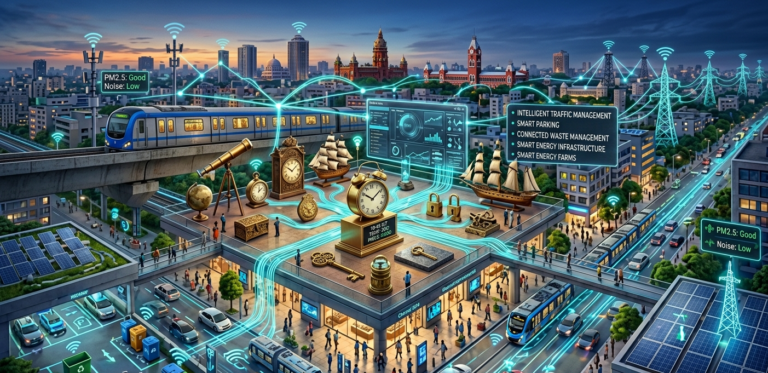
IoT is essential in forming responsive environments. Intelligent systems emerge where infrastructure connects through embedded sensors. Urban functions shift subtly when data flows between public services. In these settings, coordination improves without centralized oversight. Efficiency appears not by design alone, but through continuous digital exchange.
As city populations rise, issues around mobility, energy use, efficiency, and infrastructure strain grow more pressing. With networked systems in place, authorities gain access to information that supports clearer insight into operations. Decisions begin reflecting actual conditions instead of estimates.
Examples of smart city applications include:
- • Intelligent traffic management systems.
- • Smart parking solutions.
- • Connected waste management.
- • Environmental monitoring.
- • Smart energy infrastructure.
Throughout urban areas, sensors gather details on movement flow, atmospheric conditions, power consumption, while also monitoring service delivery. Administrators use these inputs to adjust systems efficiently, limit excess, with outcomes that support daily living standards.
Future urban development may include smart city efforts, given ongoing investments by public and private sectors into digital systems. Though often discussed, these projects now appear more likely due to steady funding flows shifting toward connected technologies across cities.
Industrial IoT Reshapes How Businesses Operate
Across industries, influence grows where machines connect. In factories, supply chains, power systems – networked sensors enable oversight once out of reach. Efficiency shifts occur not through sudden leaps but gradual refinements. Where data flows, decision points multiply without added strain. Transformation unfolds quietly within existing frameworks.
Connected industrial systems can:
- • Monitor equipment performance.
- • Detect operational anomalies.
- • Support predictive maintenance.
- • Improve resource utilization.
- • Reduce downtime.
When issues begin, signals from monitoring tools show shifts before failure occurs. Early warnings mean maintenance happens only when needed, not on fixed schedules. This shift allows equipment to operate smoothly across extended periods. Maintenance spending goes down since work is timed carefully. Efficiency improves when systems operate smoothly day after day.
When companies move toward digital change, Industrial IoT can improve how they operate. Efficiency often rises when systems connect through industrial networks. With better data flow, decision making becomes more responsive across facilities.
Data Is the Basis For Smarter Daily Life
From sensors to machines, each component feeds insights into a larger flow. Rather than merely linking devices, the strength comes through what they record. Information builds when systems operate together, yet meaning emerges only after review. Decisions shift as patterns appear within collected outputs.
How organizations use data from internet-connected devices:
- • Identify trends.
- • Improve forecasting.
- • Optimize resource allocation.
- • Enhance customer experiences.
- • Support strategic planning.
IoT systems, when paired with artificial intelligence along with advanced analytics, produce practical insights. These enable organizations to adapt promptly to shifting environments as well as evolving market needs.
Security Still Matters Most
With more devices joining networks, attention to digital protection grows. Because each new connection point can carry risks, effective safeguards become necessary. Where technology links expand, weak spots may appear – requiring consistent methods to reduce exposure. As usage rises, so does the need for careful defense strategies.
Organizations implementing IoT solutions should focus on:
- • Secure device management.
- • Data encryption.
- • Access control policies.
- • Continuous monitoring.
- • Regular security updates.
Because systems must withstand threats, designing dependable IoT networks becomes a priority. At each phase of development, attention shifts toward safeguarding data integrity. Starting early prevents later complications. When protections shape decisions, outcomes improve naturally. Trust grows where defenses are consistent.
IT Consulting Helps IoT Work
For IoT to work well, connection of gadgets alone is never enough. What follows depends on planning that looks ahead, structures able to grow quietly, protection built into foundations, also smooth joining with tools already in place.
Here, skilled IT advisors make a difference. Their guidance supports companies through complex challenges while improving outcomes across operations and strategy.
- • Assess technology requirements.
- • Design scalable IoT frameworks.
- • Integrate connected systems.
- • Strengthen cybersecurity.
- • Optimize long-term performance.
When companies across the UAE adopt intelligent systems, support from experienced professionals may lower potential setbacks. At the same time, gains relative to spending could increase significantly under informed oversight.
The Future of Smart Living
Connected systems are beginning to redefine daily life through integration of sensors, machine learning, data networks, alongside real-time processing tools. Intelligence grows quietly within walls, offices, urban centers, factories – each space adapts without fanfare. Progress arrives not in leaps but steady shifts toward responsiveness. Automation unfolds gradually, guided by streams of information flowing beneath surfaces unseen.
Despite shifts in technology trends, IoT solutions in Dubai continues to shape how companies evolve. Those focusing on interconnected systems now gain advantages in operational flow, service quality, later adaptability. Progress in this area does not guarantee success yet supports readiness amid constant change.
Should businesses aim to manage this shift effectively, guidance from IT Consulting Dubai offers clear direction. Success often follows when insight shapes progress. Future settings grow more intelligent through deliberate steps taken today. Potential expands where technology meets purposeful planning.